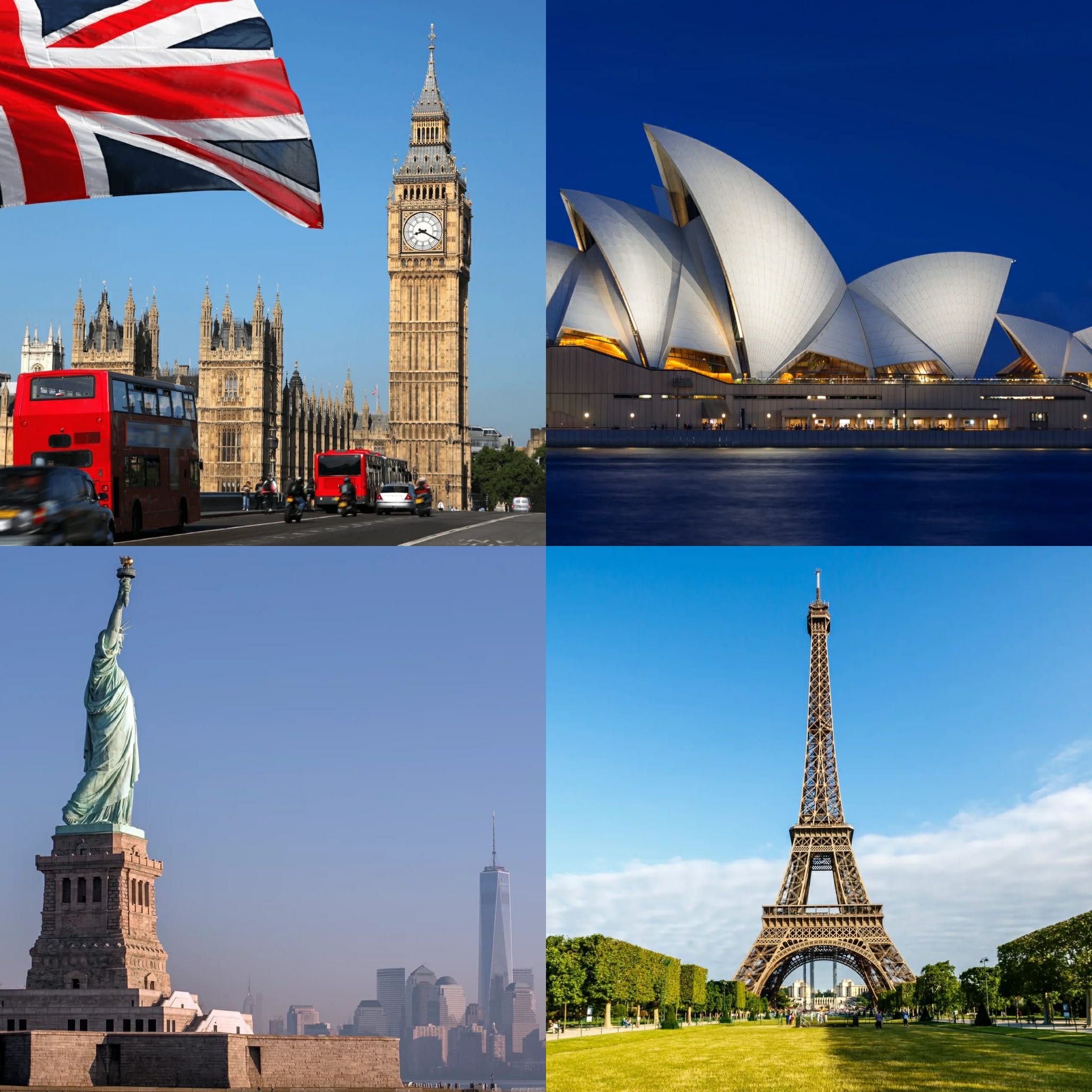
London. New York. Paris. Sydney.
For decades, these cities symbolized progress, opportunity, and security.
They were the benchmarks.
The places people aspired to visit, work in, migrate to—confident that they were stepping into orderly societies built on shared rules and mutual respect.
From the 1980s to the early 2000s, these cities felt predictable in the best way possible.
You could walk, explore, blend in, and trust the system to work more often than not.
That feeling is no longer universal.
Without pointing to headlines or naming the obvious, most people already sense the shift.
You feel it in the hesitation.
In the extra precautions.
In the quiet recalibration of what “safe” now means.
This article is not about fear.
It is about awareness.
Time Changes Places—and People
Cities evolve because people evolve.
Cultures shift as values change.
Demographics move.
Systems stretch.
What once worked seamlessly now struggles under new pressures.
Safety was never just about policing or infrastructure.
It was about shared expectations—how people behaved, what was tolerated, and what wasn’t.
When those unwritten agreements weaken, the atmosphere changes.
Not overnight.
Gradually.
Almost invisibly.
Until one day, you realize you’re no longer as relaxed as you used to be.
This Is Not Nostalgia—It’s Reality
Some dismiss these observations as nostalgia or resistance to change.
That’s a convenient shortcut.
But acknowledging change is not the same as rejecting it.
Progress does not mean pretending that every transformation is positive.
Wisdom lies in recognizing that gains often come with trade-offs—and those trade-offs demand adaptation.
Ignoring reality does not make you open-minded.
It makes you unprepared.
What This Means for the Modern Individual
The world has not become unlivable.
But it has become more complex.
And complexity requires intention.
Here is the intelligent shift that matters most:
Stop assuming yesterday’s rules will protect you tomorrow.
That applies to:
- Travel
- Career decisions
- Financial planning
- Health and safety
- Personal responsibility
The age of autopilot living is over.
What You Should Do Moving Forward
- Relearn Situational Awareness
Awareness is not paranoia.
It is clarity.
Pay attention to patterns, not just places. - Prepare, Don’t Panic
Preparation is calm.
Panic is reactive.
Smart people plan quietly. - Diversify Your Safety Nets
Financial, health, professional, and personal.
One pillar is no longer enough. - Travel and Live With Intention
Ask better questions.
Understand local realities instead of relying on outdated reputations. - Accept That Stability Is Now Personal, Not Guaranteed
Institutions help—but self-reliance matters more than ever.
The Real Takeaway
The world didn’t suddenly become dangerous.
It became honest.
What we are experiencing is not collapse—but transition.
Those who adapt thoughtfully will still thrive.
Those who cling to outdated assumptions will feel constantly blindsided.
This is not about fear.
It is about maturity.
Because the safest place today is not a city—it is a mindset.
 iamronniereyes.com
Leave a comment